

Time to Read: 3 minutes
Article at a Glance:
- Ignorance isn’t shameful. It’s the starting point for curiosity, exploration, and growth.
- We face a “decision point” when we don’t know something: stay closed off or begin learning.
- Pretending to “know everything” limits collaboration, perspective, and continuous improvement.
- Redmond’s culture embraces curiosity through reflection, exploration, psychological safety, and questions like “What are we missing?”
Laura Fox grew up with a very unique relationship to ignorance.
Most kids ask a lot of questions, but over time, they learn from adults that ignorance is a bad thing. Being wrong is shameful. Questions are annoying.
But Laura’s grandmother saw a question as an invitation to explore together. Instead of brushing off a question with a half-hearted “Look it up,” Laura’s grandmother would join her in a search for answers in the family encyclopedia set or at the local library.
For Laura and her grandmother, ignorance was a gateway to adventure.
How to Transform Ignorance Into Curiosity

“Because of [my grandmother], I grew up seeing ignorance not as a bad thing, but as a decision point.” - Laura Fox
When you realize you don’t know something, how do you respond? Do you ask questions? Do you stay quiet because you’re afraid of looking silly? Do you switch to a subject you feel more comfortable with?
When we don’t know something, we have a choice: we can remain ignorant (or worse, pretend we know when we don’t), or we can start exploring.
Recognizing this choice is the key to transforming ignorance into growth. When you realize you have the choice, you can make the choice. When you don’t know something, pause. Notice that decision point. Then, take the next step.
As Laura points out, “One choice stunts growth while the other catalyzes it.”
Why Thinking We “Know” Is Dangerous
So if curiosity leads to growth, what happens when we don’t get curious?
When we think we know everything—or simply refuse to face our ignorance—we miss important, and possibly crucial, information. We cut ourselves off from collaboration and sharing perspectives. (Expert mentality is Kryptonite for Occhiolism!)
“Knowing” is also boring. If you know everything, there’s nothing more to learn! Our human brains don’t like that kind of stagnation. We get restless.
Growth and continuous improvement just don’t happen without curiosity to drive it forward.
How We Embrace Ignorance at Redmond
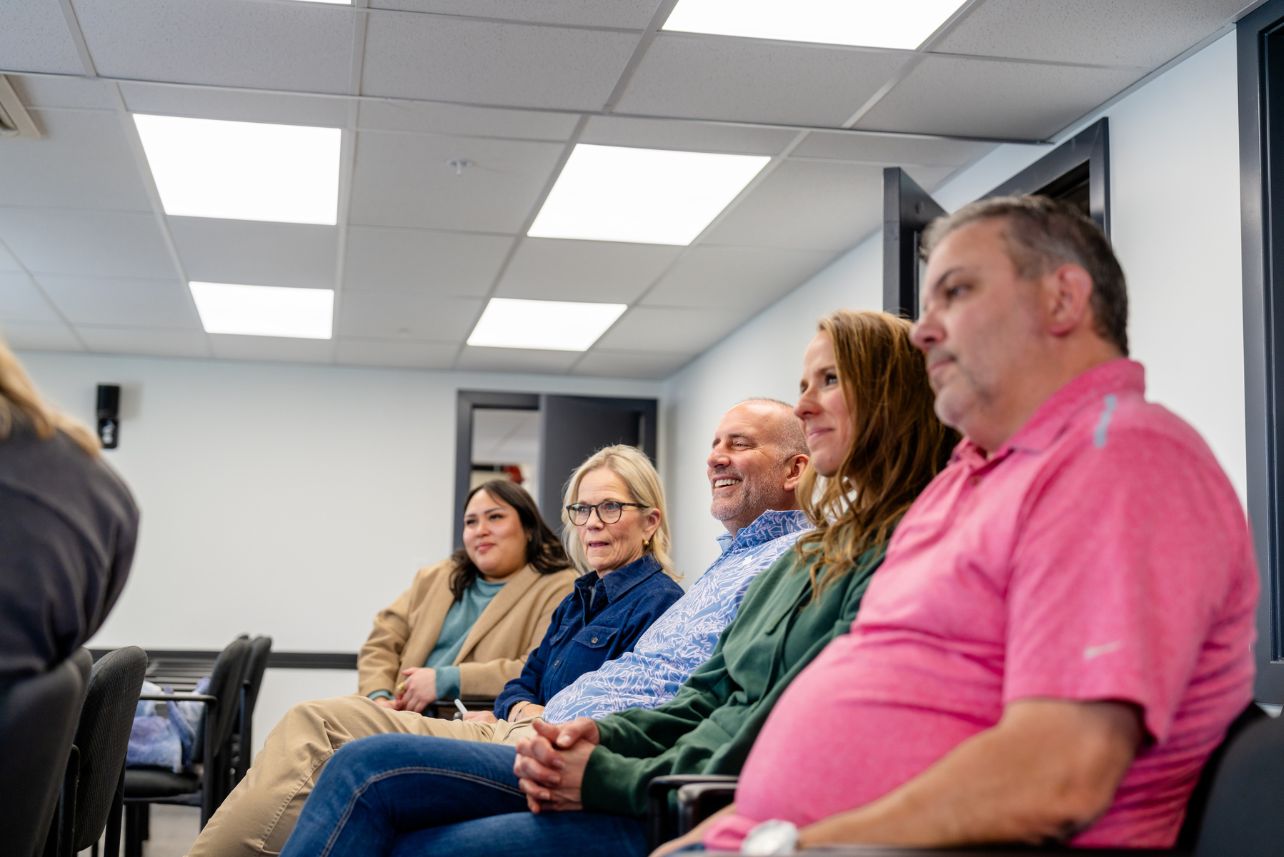
We ask a LOT of questions. We constantly ask questions like, “What are we seeing?” and “What are we missing?”
In fact, we probably spend 80% of our time exploring so that when the next step presents itself, it feels so obvious that we say, “Oh, duh. Of course.”
Exploration is built right into our processes. In our meetings and seminars, you’ll often hear phrases like “Seek first to understand, then to be understood” and “Going to Gemba” (where the work is happening) and this is what we mean. We’re exploring instead of assuming we know.
Most of all, we all work to create a culture where questions and curiosity are welcomed, not scorned. It’s all our responsibility to create a space where not knowing isn’t viewed negatively so that we can explore together! It’s a lot easier to ask questions when you know no one will snap or laugh at you, but instead, seek out right answers with you!
The Choice is Yours
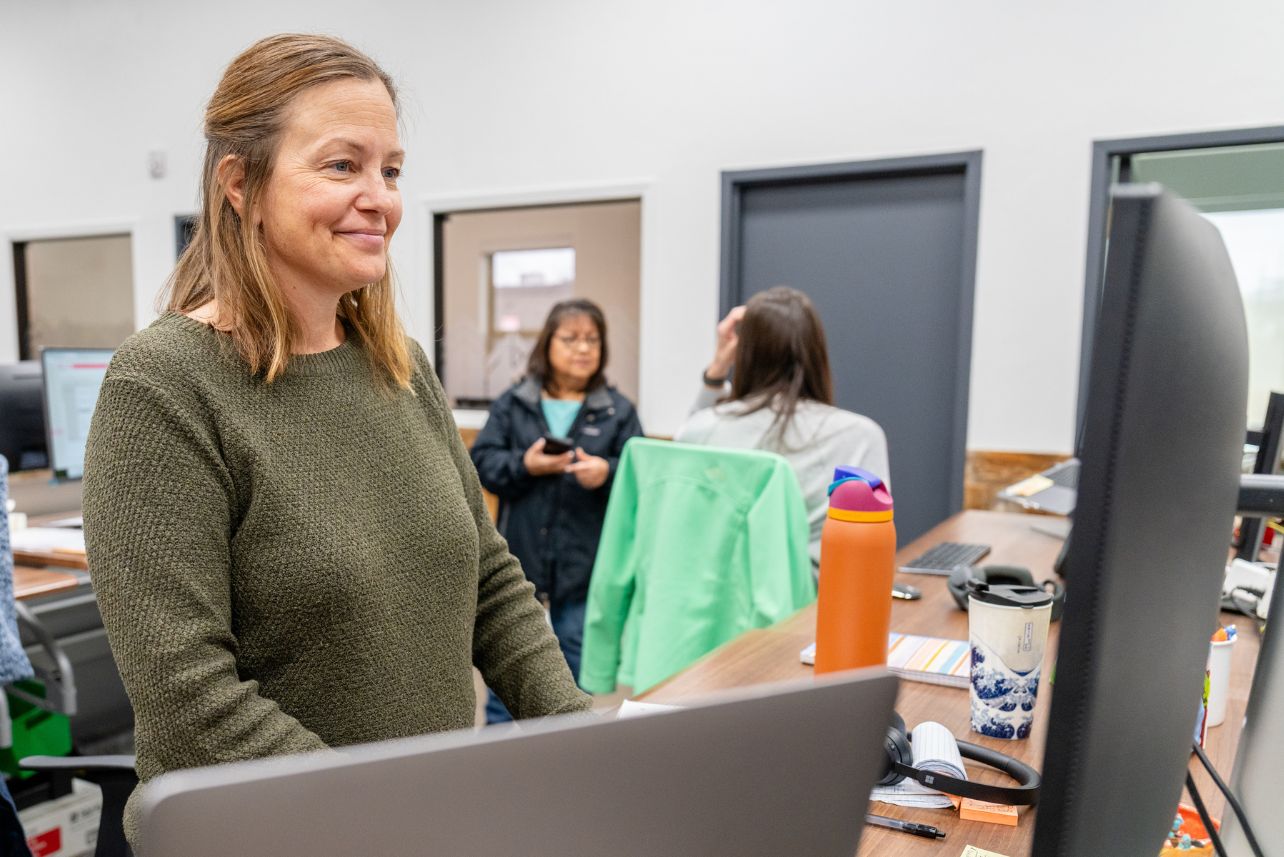
If you realize you don’t know something, you have a choice: shut down, or answer the call to adventure.
The more you get curious, explore, and work with that squirmy feeling of not knowing, the more you train yourself to view ignorance as a potential adventure. It becomes exciting, because it’s an invitation to learn.
So let’s practice: Where are you most curious? What’s something that you’d love to know more about?
Start there. Go on a mini-adventure right now and seek an answer to a question. Learn a little.
Isn’t that exciting?
That feeling isn’t possible without first realizing we don’t know.
So the next time you don’t know something, instead of shying away from it and scrambling for more familiar territory, get excited about the learning journey you’re about to begin!
