

Time to read: 4 minutes
Article-at-a-glance:
- Wiring refers to your natural strengths, which are the ways you think and work that feel effortless and instinctive.
- It can be hard to recognize your own wiring because it often feels “too easy” to seem valuable.
- Observing others (and how you differ) can reveal what you’re truly wired for, and what you’re not.
- Team reflection activities can uncover unique strengths and surprising combinations that fuel your best contributions.
Wiring is an important part of your Three Circles because if you aren’t wired for something, you probably won’t be helpful at it for very long. You can only take that skill so far. The runway is short, and sooner or later, you’ll hit a wall where your development stalls and you can’t really get any better.
So, how do you figure out what you’re wired for? It’s hard to notice what’s unique about how you think and see the world because that’s all you’ve ever known. It’s like noticing the air you’ve always breathed.
First, let’s define “wiring.”
What do we mean by ‘wiring’?
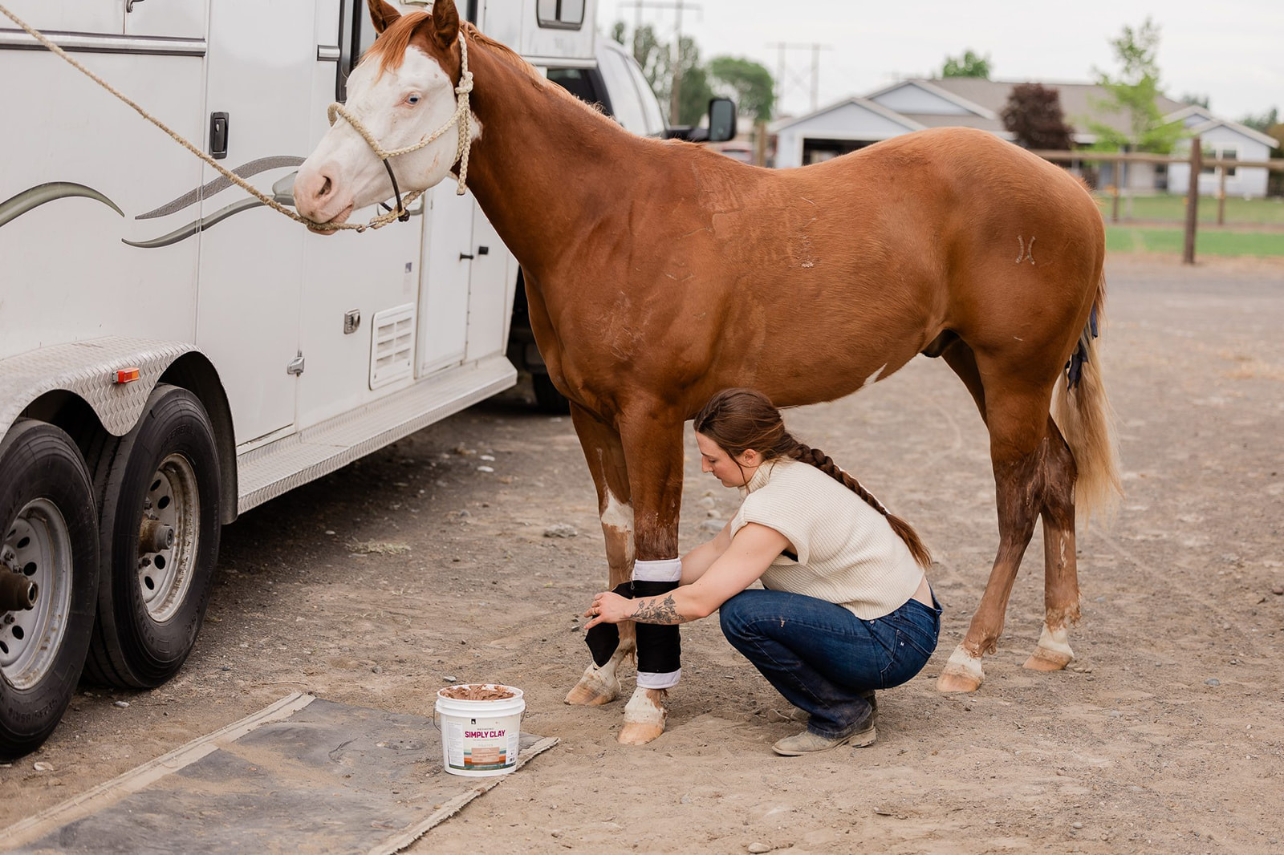
Wiring is just as much about how we see differently as what we do differently.
When we say “wiring”, we’re talking about inborn strengths that are so integral to who we are, they are practically built into us.
Your wiring is what you have a natural aptitude for. This doesn’t mean specific activities or roles, but rather, certain aspects of those activities or roles.
Maybe you’re naturally analytical, or you can cut through gobs of information to find the truth at its core. Maybe you can help people feel seen, or sense the relationships between people and understand how to nurture those relationships. Or perhaps you have a mind for numbers or words or images.
Strengths and wiring are as vast and varied as humanity itself.
How do you find those inborn strengths?
Here are clues:
- You take to it easily.
- You get a high return on any effort you put into developing in that area.
- It feels as natural as breathing.
- You're surprised to realize that not everyone is as good at it as you are. In fact, you might even think it’s not very valuable because it’s so easy for you.
- You feel like you could become exceptional at it.
- Others notice your skills in that area.
- Generally, you have good instincts and exercise good judgment in the areas you’re wired for.
- You tend to be creative and detail-oriented in those areas.
Can you think of any parts of your work or day-to-day life that fit?
How We Help Each Other

Wiring can be hard to discover on your own. You can get a decent idea, but it’s hard to zoom in on the details of what makes your strengths truly unique without other people.
So how can others help you?
Pay attention. Look around at the people you work with, at your family. What are their strengths? Notice the wiring of others might shed light on your own because it can often spark ideas or highlight differences between your wiring and theirs.
Observing others can also show us what we’re NOT wired for, which is often just as helpful as discovering what we ARE wired for. When you notice someone who’s truly wired for something, especially something you’ve been attempting to do, you can see what wiring actally looks like in that area…and whether or not that’s a strength you have.
This can be discouraging or relieving, depending on the situation. While you can enjoy or be helpful at something you aren’t wired for, it just won’t be your highest contribution.
One of the most powerful ways we can help each other discover wiring is to talk about it directly.
Here’s an activity you can do with your team.
Team Wiring Activity

Pick one person to focus on per session. Let everyone know about this a few days in advance so they can observe, reflect, and gather their thoughts.
Note: This isn’t a gratitude or compliment circle. Don’t try to force this activity if it doesn’t feel sincere. Remember, this exercise is to help you determine what you’re wired for, not to get you to conform to an idea of who you should be. Even if you’re wired for something, you don’t have to pursue it if it doesn't make sense.
Here are some questions you might suggest to your participants:
• What does this person do best?
• What do they do better than others around me? (This isn’t bragging, it’s just observation!)
• What do they do well without effort or even awareness?
• What do they do without being asked?
It can also be helpful to review the person’s work styles (PAEI), color code, and love languages.
Bring the group together and ask them to share their thoughts and insights.
After everyone has shared their thoughts, the focus person shares their perspective.
Talk about any interesting dualities or unusual combinations of strengths that came up. These traits might not be uncommon on their own, but they may be uncommon when paired together in the same individual. Take note of these observations and revisit them often!
This is Only the Beginning
Your wiring might show up differently throughout your life. As you change physically and as the way you see the world evolves, your wiring may unfold in new ways.
Keep observing and asking questions to find out how this might show up in different roles or pursuits throughout your life!
