

Time to read: 4 minutes
Article at a glance:
- Broad experience can be a major advantage in “wicked” learning environments where rules constantly change.
- The Three Circles can help you explore strengths, contribution, and fulfillment.
- Core values like Reflection, Renewal, and Ubuntu encourage growth, curiosity, and perspective.
- Collaboration multiplies knowledge and helps teams solve challenges no one could solve alone.
Do you ever feel like you missed your “thing?” That you should have chosen a pursuit early in life and stuck with it? Do you ever feel like a jack of all trades and master of none?
According to David Epstein’s Ted Talk, this might actually give you an advantage!
Why?
Why Dabbling Broadens Your Thinking

One of our favorite points of this talk is the difference between a “wicked” and a “kind” learning environment, and how broad experience can be an advantage.
So, let’s look at wicked and kind learning environments.
In a kind learning environment, the rules stay the same. You get immediate and accurate feedback, and things stay consistent long enough for you to get good at them. Think of fields like chess, sports, a musical instrument, etc.
In wicked learning environments, however, expectations are unclear. Feedback isn’t always immediate and sometimes never comes at all, and it’s not clear what to do with it. The landscape constantly shifts and it’s hard to tell if you’re actually making progress. Think business, parenting, relationships, personal growth, writing and most arts, the stock market, trying to do anything on social media, etc.
So how can dabbling, or gaining experience and learning in lots of different areas, help us in wicked learning environments?
Because it gives us a variety of knowledge and experience to draw from and use in different ways.
Guess what kind of learning environment we’re in at Redmond?
How We “Dabble” at Redmond
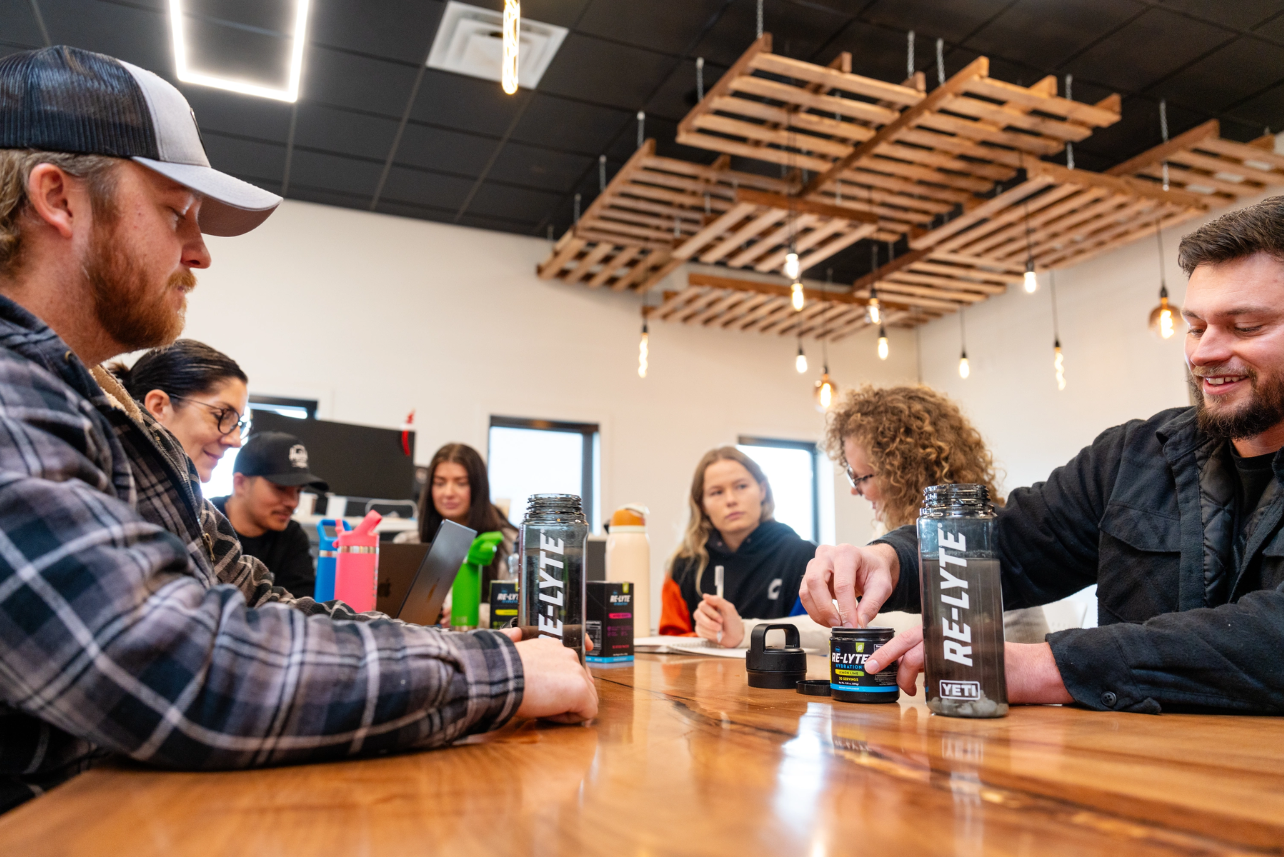
At work, we have to get things done, right? How do we do that if everyone’s experimenting and trying different things all the time? Wouldn’t it work better if everyone had a speciality and stuck with it?
Not necessarily. Here’s what we do instead (and why).
Three Circles
The process of discovering your Three Circles is basically dabbling with a purpose.
You’re experimenting to figure out where you’re helpful, what you’re wired for, and what fills your cup. You might hit on some gold right away, or it may take you a while. And your helpfulness and what fills your cup may shift and change.
Either way, never stop experimenting, because that’s how you pivot right along with the changes in life and work.
Core Values
Our core values encourage dabbling and exploration.
When we have Passion for Contribution, we’ll do what we can to be helpful, even if that means jumping around and trying new things because there’s a need there.
Occhiolism is about exploring other perspectives.
Ubuntu is about getting to know yourself and others and knowing you’re part of a greater whole. That’s a lot of concepts to hold at once.
Reflection asks us to look around to ask where we are and how we got there, while Renewal reminds us to care for our body, heart, mind, and spirit, and to never stop growing.
It’s all exploration!
Collaboration: Collective Dabbling
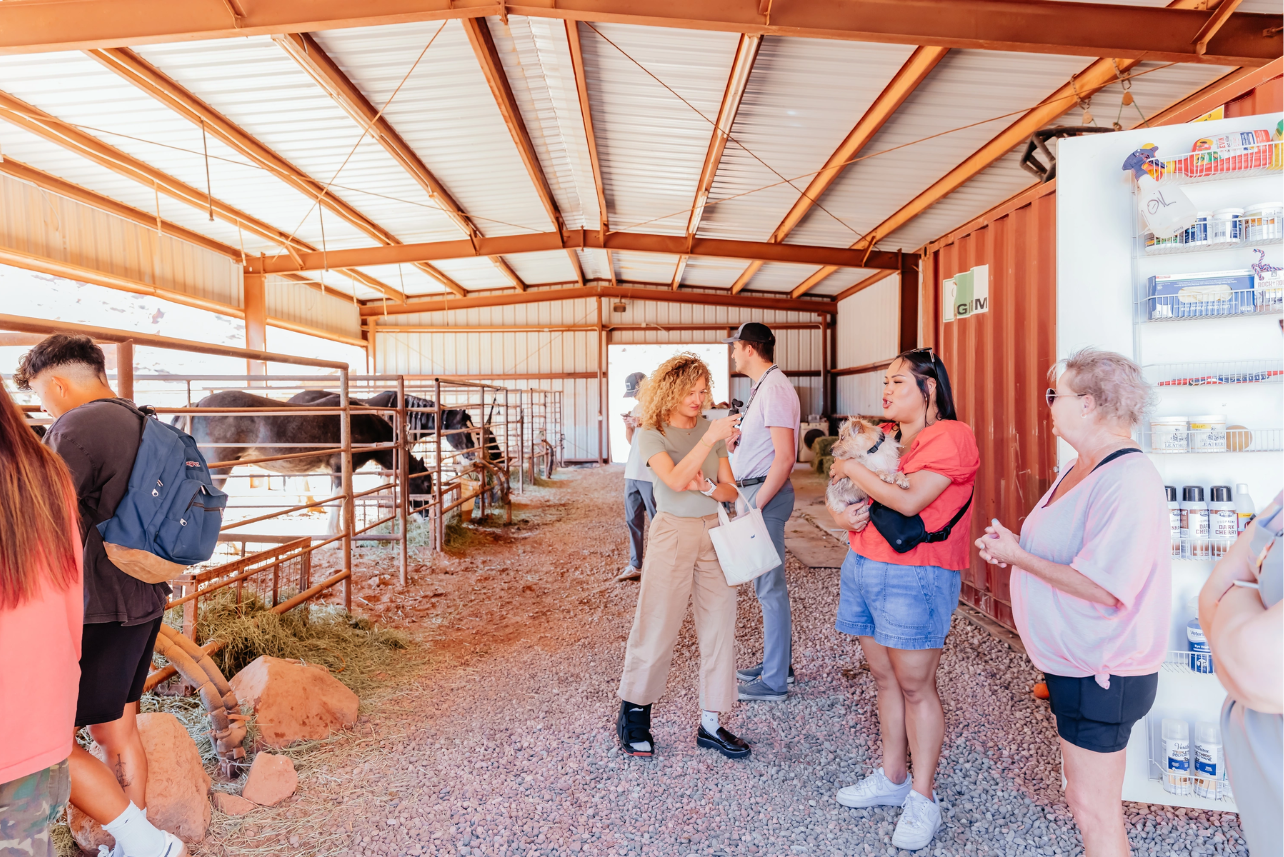
Another way to take advantage of a wide pool of knowledge is to collaborate!
We all have different knowledge and experiences. So when we get together, our pool of collective knowledge grows.
Then, make a point of exploring together at Redmond because that’s how we gain understanding of where we are, how we got there, and also the options available to us.
This is why we emphasize collaboration, exploration, and developing strengths. When we come together with our different perspectives and experiences, we can see (and do!) FAR more than we ever could alone!
How to Grow in an Unpredictable World
So how can you work with the wicked learning environment of, well, life?
First, know you’re in a wicked learning environment and that the rules are always changing in ways you can’t predict.
Stay curious and open, grow in your Three Circles, and lean into your strengths. Keep asking questions and don’t fall into the trap of thinking you know.
And finally, collaborate! We can do so much more together than apart, even in a wicked learning environment where nothing stays the same.
